IP4OS presented at UNESCO Conference on Open Science for Innovation
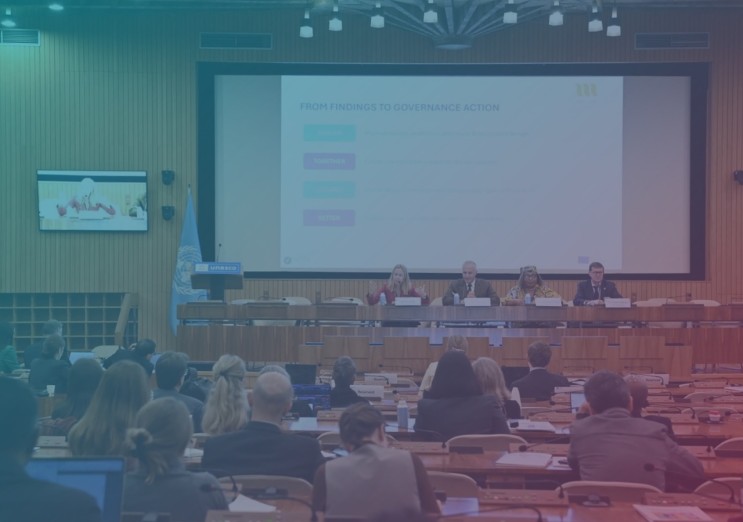
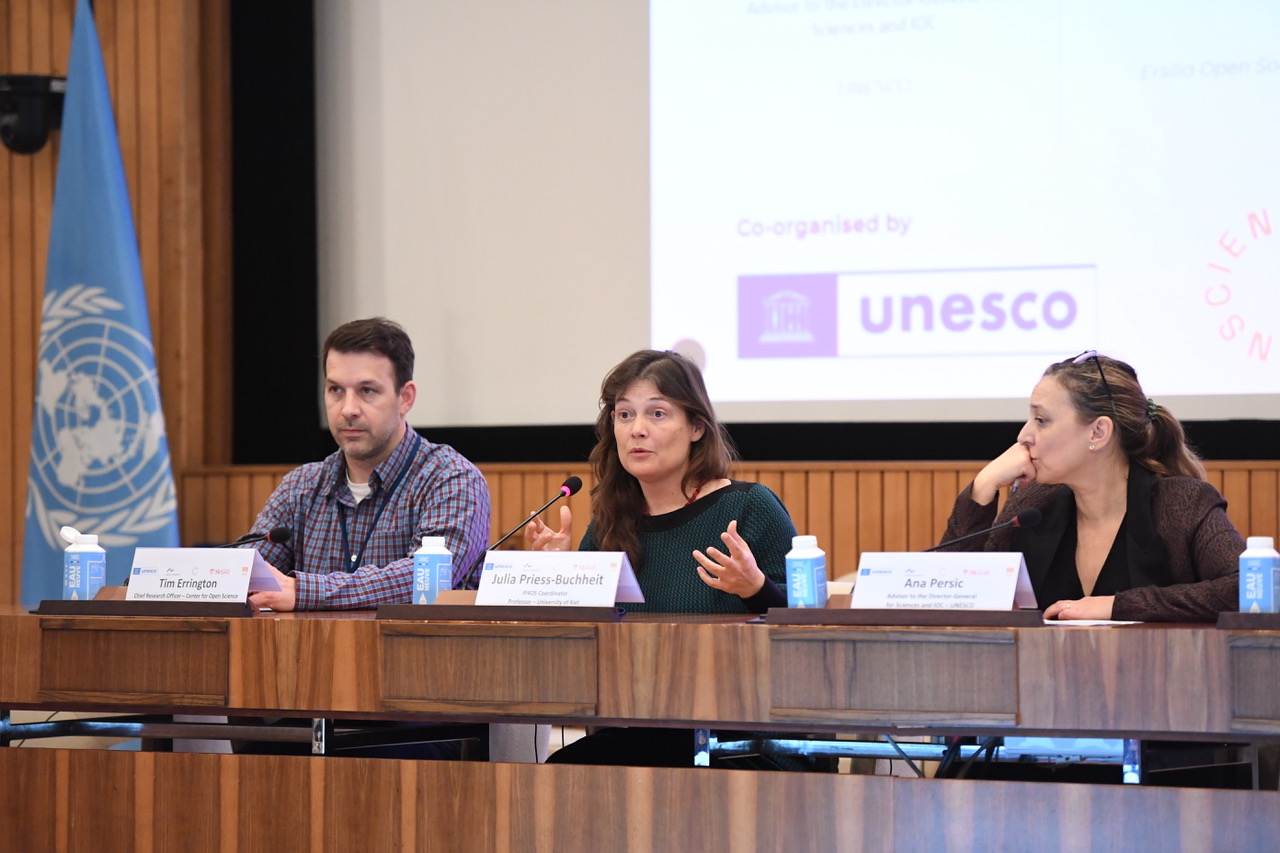
IP4OS coordinator Julia Claire Priess-Buchheit and project partner Katharina Miller (MIK) presented the project's key results at the UNESCO Conference on Open Science for Innovation, highlighting how Intellectual Property (IP) and Open Science (OS) can work together to support impactful knowledge valorisation.
Katharina Miller introduced four key IP4OS outcomes:
The Synergy Framework, analysing barriers to IP-OS synergy and providing recommendations for their complementary application (read more).
The FAIR-R²L Rubric, offering guidance for licensing decisions (read more).
The Knowledge Valorisation Rubric, supporting researchers in developing impactful valorisation strategies (read more).
Multi-professional teams, bringing together complementary expertise to support effective knowledge valorisation (read more).
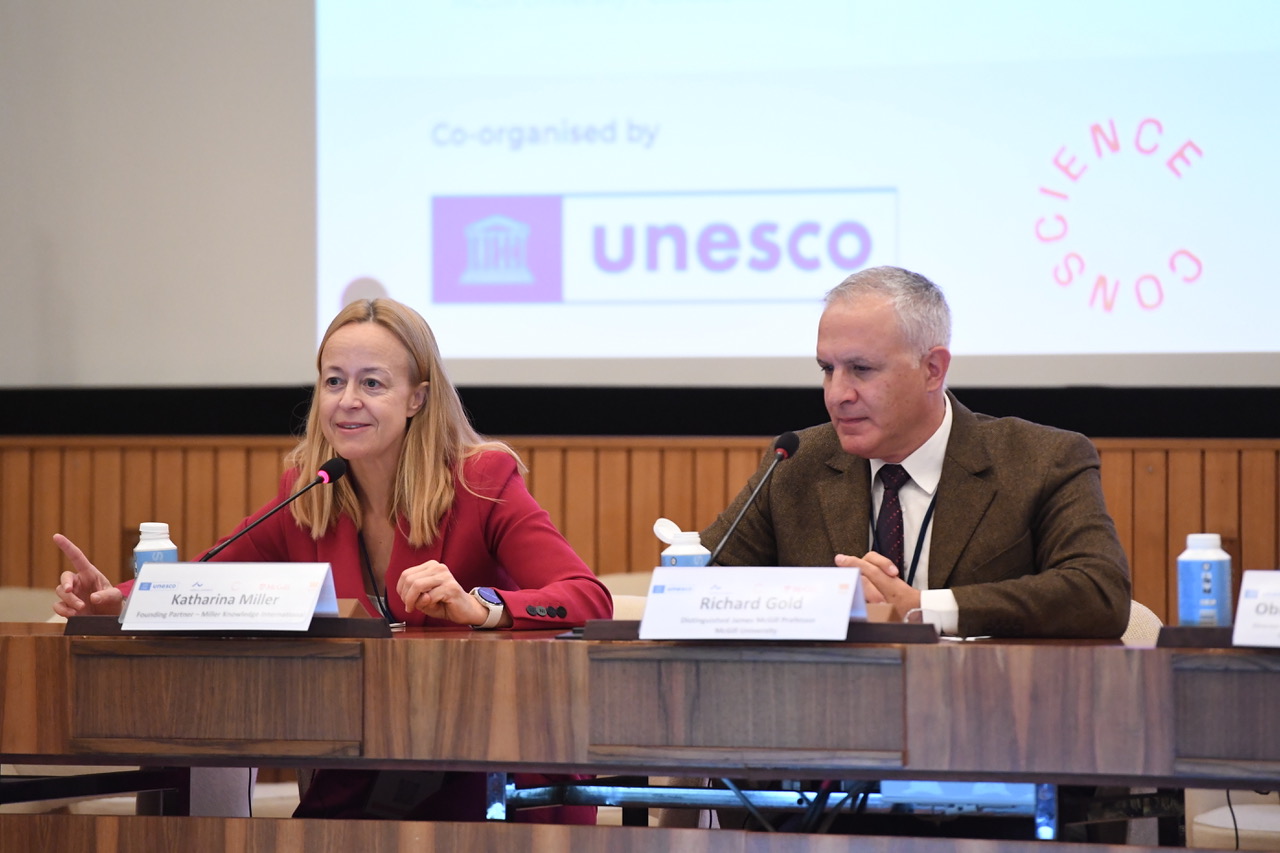
Building on the last concept, Julia Claire Priess-Buchheit emphasised an important message: "Do not put everything on researchers." Researchers need institutional support to navigate decisions around openness, protection, reuse and licensing. Multi-professional teams, involving librarians, Open Science Ambassadors, knowledge transfer and legal professionals, research managers and data stewards, can provide the expertise needed to determine what to open, what to protect, and when and how.
IP4OS thanks UNESCO and session chairs Ana Persic and Richard Gold for facilitating the discussions and contributing valuable insights.
Continuing the IP4OS legacy
The project's knowledge and results will continue to be carried forward by ASTP, IFLA, EURICE, UZSM, GATE and the vibrant IP4OS Community of Practice established during the project.
Through collaboration and complementary expertise, IP4OS continues to promote stronger synergies between Intellectual Property and Open Science, helping research generate meaningful impact.